
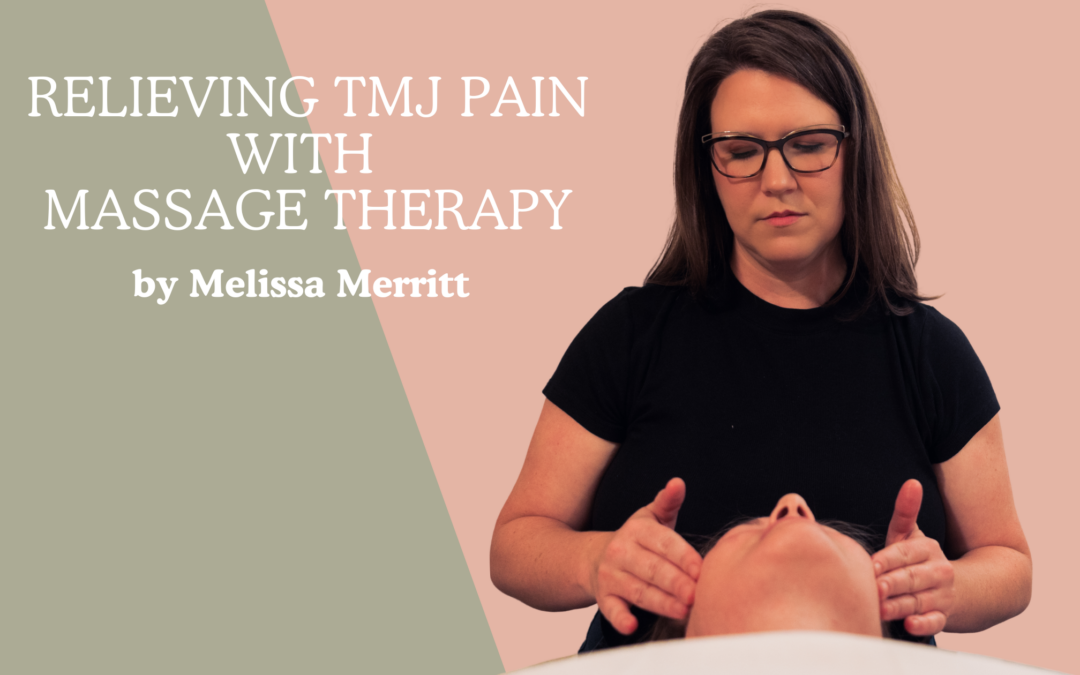
TMJ Pain and Dysfunction: How Massage Can Help with Muscle Tension
Temporomandibular Joint (TMJ) disorders affect millions of people worldwide, making everyday activities like eating and speaking painful. In the United States alone, TMJ disorders are estimated to affect over 10 million people, with women being more susceptible than men. While there are various treatment options available, massage therapy stands out as a natural, effective method for alleviating muscle tension associated with TMJ pain. In this blog post, we’ll explore ten strategies for using massage to manage TMJ dysfunction, detailing how each can be practically applied to your life.
Understanding TMJ Disorders
Before diving into massage techniques, it’s essential to understand what TMJ disorders are. TMJ disorders encompass a variety of conditions that affect the jaw joints, muscles, and nerves. Symptoms can include jaw pain, headaches, earaches, and a clicking or popping sound when opening the mouth. Early intervention is crucial, as untreated TMJ disorders can lead to chronic pain and further complications.
1. The Benefits of Massage for TMJ
Massage therapy offers numerous benefits for those suffering from TMJ disorders. By targeting the muscles around the jaw, neck, and shoulders, massage can help reduce tension, improve circulation, and alleviate pain. Studies have shown that regular massage therapy can significantly decrease TMJ symptoms, improving overall quality of life.
Practical Tips
-
Schedule a weekly massage session focusing on the jaw and surrounding muscles.
-
Use self-massage techniques daily to maintain muscle relaxation.
-
Incorporate stretching exercises to complement massage therapy- ask your massage therapist for recommendations.
Consider Sarah, a 32-year-old teacher who frequently experienced TMJ pain due to stress. After incorporating regular massage therapy into her routine, Sarah noticed a marked decrease in her symptoms, allowing her to focus better at work and enjoy her personal life without constant discomfort.
2. Jaw Massage Techniques
Focusing on the jaw itself, specific massage techniques can directly alleviate tension and pain. By applying gentle pressure and circular motions, you can release tightness in the masseter muscles, which are often overworked in TMJ disorders. Both internal and external massage work by a professional can alleviate the tension in muscles of the jaw.
Practical Tips
-
Use your fingertips to gently massage the area in front of your ears.
-
Apply light pressure and move in small circular motions.
-
Repeat this technique for five minutes daily.
Maybe you are stressed and don’t have a lot of time to treat your jaw. Use this simple daily practice to help alleviate jaw pain associated with stress.
3. Neck and Shoulder Massage
Tension in the neck and shoulders can exacerbate TMJ pain. Massage therapy targeting these areas can help alleviate associated muscle tension, leading to reduced strain on the jaw. The muscles of the head, neck, shoulders and jaw are all connected. Focusing on releasing the shoulder and neck can help alleviate the strain on the jaw.
Practical Tips
-
Focus on the upper trapezius and sternocleidomastoid muscles.
-
Utilize a tennis ball or massage tool to reach difficult areas.
-
Consider professional massage therapy for deeper muscle work.
I had a client notice an improvement in her TMJ symptoms after incorporating neck and shoulder massages into her routine, particularly during long hours at the computer.
4. Finding the Right Massage Therapist
Finding a qualified massage therapist who specializes in TMJ disorders is crucial for effective treatment. Look for therapists with experience and certifications in treating TMJ-related issues. At Touch of Health Atlanta our therapists are all trained in TMJ specific massage.
Practical Tips
-
Ask for recommendations from healthcare providers or friends.
-
Check reviews and credentials of therapists before booking.
-
Communicate your specific needs and focus areas with your therapist.
5. Self-Massage Techniques
Learning self-massage techniques empowers you to manage your TMJ symptoms daily. These techniques can be easily incorporated into your routine, offering immediate relief. Seeing a massage therapist regularly is a great start to getting relief. However, working on yourself daily or even a few times a week can have longer lasting results.
Practical Tips
-
Use your knuckles to gently massage the temples and jawline.
-
Incorporate a warm compress before massaging to enhance relaxation.
-
Practice these techniques consistently for best results.
Real-World Example
Another client of ours who is a busy mom, found self-massage techniques invaluable for managing her TMJ pain amidst her hectic schedule, allowing her to maintain her daily responsibilities without interruption.
6. Incorporating Heat Therapy
Heat therapy, when combined with massage, can increase blood flow and promote muscle relaxation. This combination can be particularly beneficial for those with TMJ disorders.
Practical Tips
-
Apply a warm compress to the jaw area before massage.
-
Use a warm towel or heating pad for 10-15 minutes.
-
Follow up with gentle massage to maximize benefits.
7. Stress Reduction Techniques
Since stress is a common trigger for TMJ disorders, incorporating stress reduction techniques alongside massage can provide holistic relief. Finding a consistent routine in managing and reducing stress can really help with your tension.
Practical Tips
-
Practice mindfulness and meditation to reduce stress levels.
-
Engage in regular physical activity to release endorphins.
-
Prioritize adequate sleep and healthy lifestyle habits.
8. Consistency is Key
Consistency in massage therapy and self-care practices is essential for managing TMJ disorders effectively. Regular sessions and daily practices can lead to long-term improvements.
Practical Tips
-
Schedule routine massage appointments.
-
Set aside time each day for self-massage and relaxation.
-
Track your progress and adjust practices as needed.
9. Listening to Your Body
Understanding and responding to your body’s needs can enhance the effectiveness of massage therapy for TMJ disorders. Pay attention to symptoms and adjust your practices accordingly. Finding a PT or Dentist who specializes in TMJ to create a holistic health plan accelerates the healing process.
Practical Tips
-
Identify which massage techniques work best for you.
-
Modify intensity and duration based on your comfort level.
-
Seek professional advice if symptoms persist or worsen.
10. Early Intervention and Prevention
Addressing TMJ symptoms early can prevent the progression of the disorder and reduce long-term complications. Massage therapy can be an integral part of this proactive approach.
Practical Tips
-
Seek professional evaluation at the first sign of symptoms.
-
Incorporate massage and self-care practices early on.
-
Educate yourself about TMJ disorders to recognize symptoms.
Conclusion
Massage therapy is a valuable tool in managing TMJ disorders, offering relief from muscle tension and pain. By incorporating these strategies into your routine, you can experience significant improvements in your symptoms and overall well-being.
As you enter your journey with TMJ, consider visiting us at Touch of Health in Sandy Springs, Georgia. We have been helping clients with their TMJ pain for over 10 years and would love to help you.